

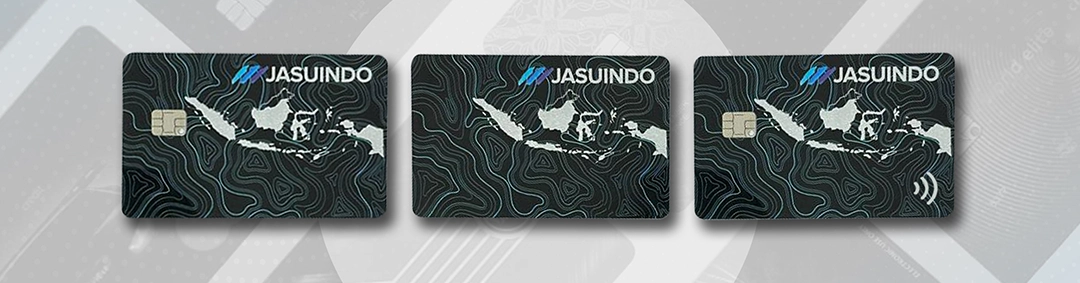
The Role of EMV Chips in Modern Card Transactions
The Role of EMV Chips in Modern Card Transactions
The development of cashless payment systems has driven the growing need for technologies capable of ensuring transaction security. Amid the increasing volume of card-based transactions, risks such as counterfeiting, data theft, and identity misuse have become major concerns for the financial and payment industries. One technology that plays a crucial role in addressing these challenges is the EMV chip.
EMV chips have now become a global standard in card payment systems and are widely used in debit cards, credit cards, and multifunction cards with high security levels.
What Is an EMV Chip?
An EMV chip is a microchip embedded in a payment card that functions to securely store and process data during transactions. EMV stands for Europay, Mastercard, and Visa—the three entities that initially developed this standard before it was later managed by EMVCo as an international standards body.
Unlike earlier-generation card technologies, EMV chips are designed to perform dynamic transaction authentication, meaning the data used is not static and cannot be easily replicated.
How EMV Chips Work in the Transaction Process
When an EMV chip card is used on a card reader terminal (EDC), the chip communicates directly with the terminal to verify the transaction. This process involves encrypted data exchange and the generation of a unique transaction code for each use.
With this mechanism, information transmitted in one transaction cannot be reused for another transaction. This is what makes EMV chips significantly more secure than magnetic stripe–based methods.
Types of EMV Chips in Use
In practice, EMV chips are available in several forms tailored to different usage needs:
Contact EMV
Used by inserting the card into an EDC terminal. Commonly used in conventional banking transactions.
Contactless EMV
Enables transactions without physical contact through NFC technology. Widely used for fast payments and public transportation.
Dual Interface EMV
Combines both contact and contactless functions in a single card, offering greater flexibility of use.
These types of chips can be applied to various card products, ranging from payment cards to identity cards with additional security functions.
Functions of EMV Chips in Transaction Security
EMV chips are designed to enhance protection against various forms of card-related crime, including:
Preventing cloning and skimming, as transaction data cannot be statically copied
Dynamic authentication, where each transaction generates a unique code
Multi-layer validation through PINs, signatures, or backend systems
Through this approach, EMV chips help maintain user trust and the stability of payment systems.
Application of EMV Chips Across Industries
Although closely associated with banking cards, the use of EMV chips is not limited to the financial sector. This technology is also applied in:
Banking and financial institutions for debit, credit, and prepaid cards
Transportation and public services for integrated payment systems
Identity and access cards that require high security levels
Multifunction cards that combine payment, identity, and loyalty features
This demonstrates that EMV chips have become part of cross-industry digital security infrastructure.
EMV Chip Standards and Compliance
The implementation of EMV chips follows technical specifications set by EMVCo, covering aspects such as chip design, data communication, and authentication processes. Compliance with these standards is a key factor in ensuring global interoperability and system security.
For industry players, the use of EMV chips is not merely a matter of technology, but also a commitment to quality, consistency, and international standards.
Challenges in EMV Chip Implementation
Despite offering higher security levels, EMV chip implementation also presents several challenges, including:
Initial investment in infrastructure and card production
System integration with compatible reader devices
The need for precise data personalization processes
Therefore, implementing EMV chips requires the support of technology and printing partners with strong expertise in card security and manufacturing.
The Role of Security Printing in EMV Card Production
The production of EMV chip cards cannot be separated from the role of security printing. This process includes chip integration, cardholder data personalization, and the application of additional security elements such as holograms, microtext, and special designs.
Precision, quality control, and compliance with international standards are critical factors in ensuring that EMV cards function optimally and are safe to use.
Conclusion
EMV chips have become a vital foundation of modern payment systems and card security solutions. With their ability to protect transaction data and prevent misuse, this technology continues to be adopted across sectors that require high levels of security.
As a company engaged in security printing and card solutions, Jasuindo has experience in supporting the production of EMV technology cards with strict quality and security standards, aligned with industry needs and applicable regulations.
Read Also: Types of Bank Cards